Burden of proof for claims
Learn more about when and how claimants must provide clear evidence of damages when seeking compensation for freight losses or mishandling.
myKN
Quote, book and get full control of your shipments.
Get an instant quote
Talk to an expert
We help you to navigate through your logistic questions.
Get in touchmyKN
Quote, book and get full control of your shipments.
Get an instant quote
Talk to an expert
We help you to navigate through your logistic questions.
Get in touchLearn more about when and how claimants must provide clear evidence of damages when seeking compensation for freight losses or mishandling.
One of the tenets of liability, whether at common law or in civil law systems, is the existence of damages.
It is not enough for a claimant to simply allege that it is owed compensation because the freight forwarder failed to follow instructions. For an obligation to compensate to exist, the claimant must have suffered damages as a result and must provide evidence of those damages.
Whether a claim is framed under a strict liability regime, like the Montreal Convention or more traditional fault-based instruments, the onus of proving the existence of damages is normally with the claimant.
In a logistics context, this often entails loss of or physical damage to the goods. But the damages can also relate to financial losses arising as a consequence of the freight forwarder’s act or omission.
Where physical damage is concerned, the claimant must provide evidence that the integrity of the goods was altered to discharge its onus of proof. Depending on the type of commodity shipped, the degree of complexity can vary greatly.
For example, if a freight forwarder fails to pass on instructions not to double-stack pallets, it is relatively straightforward for the owner of a shipment of glass jars to demonstrate physical damage. However, substantiating a claim for physical damage to pharmaceutical products due to a temperature deviation is significantly more complex.
And yet, in the latter case, if the claimant hopes to obtain compensation for its alleged loss, they must do more than merely point to the temperature deviation. They also need to demonstrate how the departure from the requested temperature parameters adversely affected the integrity of their property. The use of proprietary information and test results may sometimes be required to support the claimant’s case.
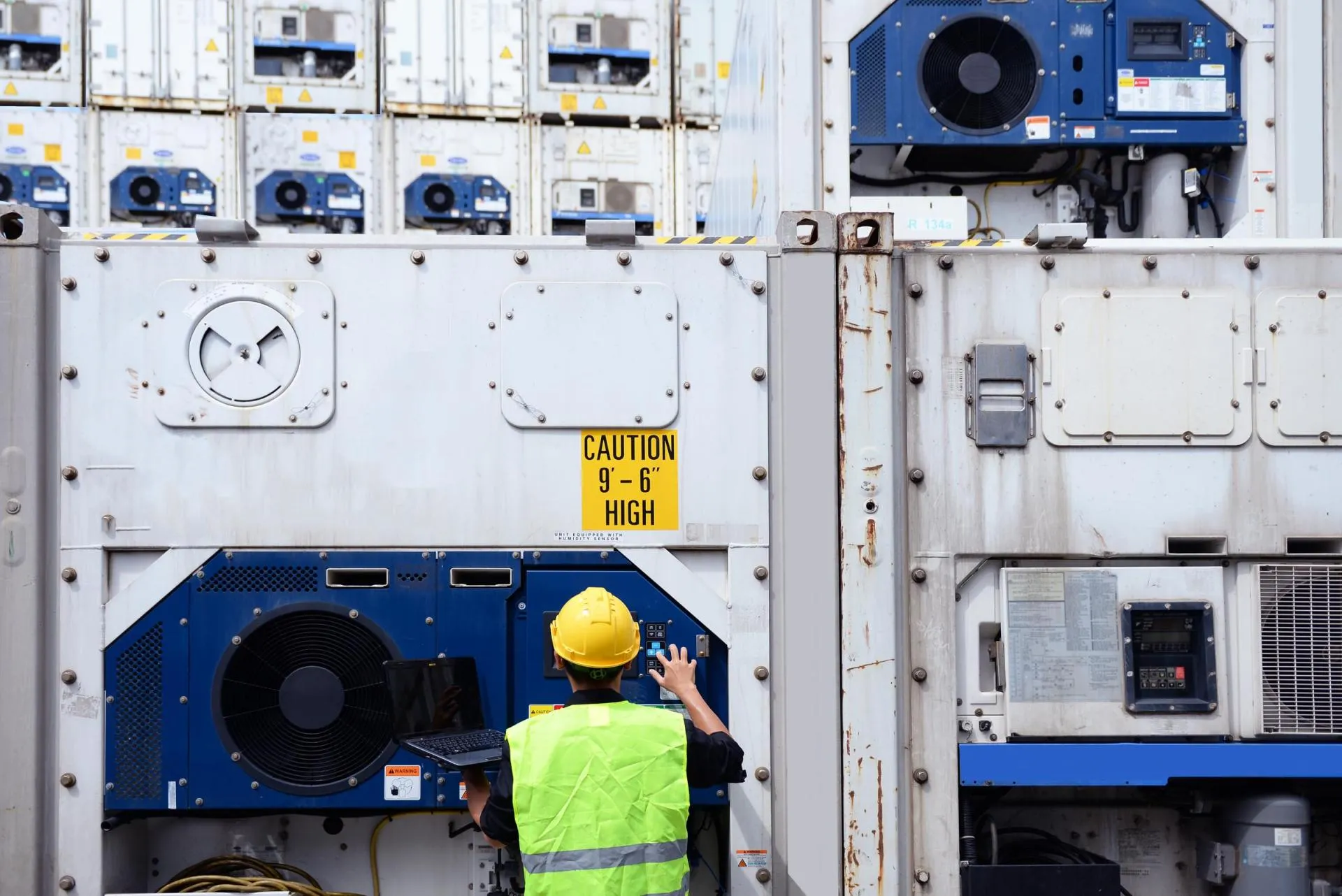
Clients sometimes seek to limit the disclosure of sensitive information or reduce effort in claim situations by negotiating provisions into service agreements. These may stipulate that a deviation from temperature instructions or a breach of the container seal is sufficient to reject the goods and pursue compensation.
While such provisions may be enforceable between parties, freight forwarders and transport operators should use caution when negotiating their inclusion in service agreements. Liability insurers may refuse to cover claims where damages have not been adequately proven.